


Dubai has rapidly evolved into a cultural and creative hub, hosting art galleries, design studios, cultural exhibitions, fashion houses, and creative entrepreneurs from around the world. From contemporary art spaces and photography studios to event curators and cultural organizations, creative businesses operate in a highly visual and experience-driven market. In this landscape, online marketing in Dubai plays a vital role in helping creative brands gain visibility, attract patrons, and build meaningful engagement with local and international audiences.
Creative Audiences Discover Art Digitally
Art lovers, collectors, and cultural enthusiasts increasingly rely on digital platforms to discover exhibitions, artists, workshops, and events. Searches such as “art exhibitions in Dubai,” “photography studios UAE,” or “creative workshops near me” reflect strong intent to attend or purchase. Online marketing ensures creative businesses appear during these discovery moments, connecting their work with audiences actively seeking cultural experiences.
Visual Storytelling Builds Emotional Connection
Creative industries thrive on storytelling. Online marketing allows art and culture brands to showcase their identity through visually rich content such as images, videos, virtual tours, and behind-the-scenes stories. Websites, blogs, and social platforms become digital galleries where audiences can experience creativity before visiting physical spaces. This emotional connection encourages attendance, inquiries, and long-term loyalty.
SEO for Cultural Discovery and Reach
Search engine optimization helps creative businesses get discovered beyond word-of-mouth. Optimized artist profiles, exhibition pages, event listings, and cultural blogs help brands rank organically for niche yet valuable keywords. SEO-driven content such as exhibition previews, artist interviews, or cultural insights positions creative brands as authorities while attracting organic traffic interested in art and culture.
Social Media as a Cultural Showcase
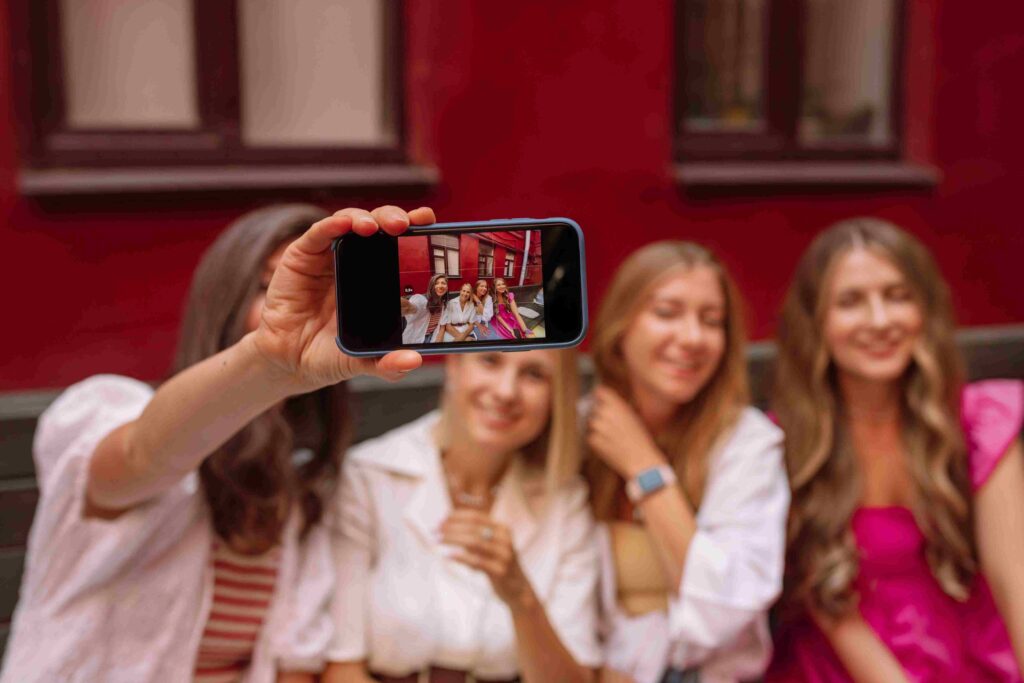
Platforms like Instagram, TikTok, and YouTube are powerful tools for creative industries. Online marketing strategies focus on building consistent social presence through reels, live sessions, artist spotlights, and event highlights. These platforms help creative brands engage audiences visually, spark conversations, and encourage sharing — extending reach far beyond physical locations.
Paid Campaigns for Events and Exhibitions
Creative events often have limited timeframes. Online marketing enables targeted paid campaigns to promote exhibitions, performances, workshops, and launches quickly. Ads can target audiences based on interests such as art, design, photography, fashion, or culture, ensuring promotions reach people most likely to attend or participate. This targeted approach maximizes turnout and minimizes wasted spend.
Websites That Reflect Artistic Identity
A creative brand’s website is an extension of its artistic expression. Online marketing focuses on designing websites that reflect brand aesthetics while remaining functional and user-friendly. Clear event calendars, ticket booking options, artist portfolios, and contact forms make it easy for audiences to engage, visit, or purchase artwork.
Reaching Global Collectors and Patrons
Dubai’s creative scene attracts international collectors, tourists, and collaborators. Online marketing enables creative businesses to reach global audiences through multilingual content, international SEO, and geo-targeted campaigns. This expands opportunities for art sales, partnerships, and cultural exchange without geographical limitations.
Building Community and Cultural Loyalty
Creative brands thrive on community support. Online marketing helps build loyal followings through newsletters, blogs, and social engagement. Regular updates about exhibitions, artist collaborations, and cultural initiatives keep audiences connected and invested in the brand’s journey.
Data Insights for Creative Growth
Digital marketing provides insights into audience preferences, popular content, and engagement trends. Creative businesses can use this data to plan exhibitions, curate content, and schedule events based on real audience interest rather than assumptions, leading to stronger participation and revenue stability.
Conclusion
In a city where creativity and culture continue to flourish, visibility is essential for artistic success. By leveraging online marketing in Dubai, art galleries, creative studios, and cultural organizations can connect with wider audiences, tell their stories effectively, and grow sustainably. Through visual storytelling, SEO, social engagement, targeted campaigns, and data-driven strategies, online marketing becomes a powerful catalyst for cultural impact and creative growth in Dubai’s evolving arts landscape.
